White House announced new co-creation workshops for new national open government plan

On May 29, senior officials from the White House Office of Management and Budget and the State Department confirmed that the United States will developed a new National Action Plan for Open Government for the Open Government Partnership this spring and summer, hosting two “co-creation” events in June and re-opening an online forum for public comments on Github. The State Department announced that the U.S. would be restarting the consultation process for building a new plan.

Today, in an email sent to the open government and civil society working group email listserv, GSA analyst Alicia Yozzi shared noted about the remarks delivered by the three officials, who were

  • Matt Lira, special assistant to the president for innovation policy and initiatives in the White House Office of American Innovation
  • Matt Bailey, acting policy unit chief, Office of the U.S. Chief Information Office, White House Office of Management and Budget
  • Chanan Weissman, special advisor in the Department of State

I’ve published the notes in full, below:

From: Alycia (Piazza) Yozzi
Date: Wed, May 30, 2018 at 5:20 PM
Subject: Save the Date & Notes from the 5/29 Inter-Agency Open Government Working Group Meeting
To: US Open Government <us-open-government@googlegroups.com>, OpenGov@listserv.gsa.gov

Hello OpenGov Community,

Yesterday morning, we convened the public U.S. inter-agency Open Government Working Group meeting with civil society in the offices of General Services Administration (GSA) and launched the process to develop and ultimately publish the Fourth Open Government Partnership (OGP) U.S. National Action Plan.

Thank you to those who joined us by phone and in-person. If you could not make it we’ve captured notes and I’m including them below.

SAVE THE DATE(s) – We will be hosting 2 Co-Creation Sessions to develop the 4th U.S. National Action Plan (NAP 4) and would love to have you join us. Space is limited so please register in advance. Passcode: OpenGov2018

You can register for either:

Thursday, June 14 from 9:00 am – 12:00pm

Thursday, June 21, from 1:00 pm – 4:00 pm

https://www.eventbrite.com/e/nap-4-working-session-registration-46585789350  Passcode:OpenGov2018

RESOURCES – Here are links to a few of the key resources mentioned at the meeting:

OpenGov Civil Society Meeting Minutes – 5/29/18

  • Matt Lira – Special Assistant in the White House Office of American Innovation

    • This Administration is committed to open government in the United States. Today we are here to renew the process of drafting and publishing the Fourth National Action Plan.
    • Empowering American citizens to hold their government accountable is a core function of any democracy and a priority for this Administration. A core objective is to ensure that our government is efficient, effective, and accountable to the American people.
    • We view this as a whole-of-team effort. The U.S. government will have a number of offices within the State Department, the GSA, and other agencies working on the fourth OGP National Action Plan.
    • We want to hear from you – citizen engagement and public participation is a critical part of this process. To help focus these discussions, the President’s Management Agenda will serve as a guiding document for our commitments. In particular, we will look forward to your input on the following areas of interest:
      • Modernizing Government Technology to Increase Productivity and Security
      • Leveraging Data as a Strategic Asset
      • Developing a Workforce for the 21st Century
    • Consistent with OGP’s feedback to all of its participants, we expect the fourth National Action Plan to include fewer – but more impactful – commitments relative to previous years.
  • Matt Bailey – Acting Policy Unit Chief, OFCIO, OMB

    • Highlighted that the OpenGov team really wants to get agencies and civil society together for the co-creation events, especially those that are able to make commitments for the new NAP.
    • We want to be able to have frank, open discussions with the public and the agencies that will be able to implement the recommendations.
    • Save the date for 6/14 and 6/21 for the co creation events. More information coming soon. [Note that 6/14 and 6/21 are now the confirmed dates.]
    • Cross-agency priority goals constitute the President’s Management Agenda (PMA) which, along with previous public input will serve as the starting point for this process
  • Chanan Weissman, Special Advisor, Department of State

    • Chanan provided a very brief overview of the soon-to-be released Independent Reporting Mechanism (IRM) Report on the Third U.S. National Action Plan and the status of the upcoming OGP Global Summit.
    • He thanked open gov representatives throughout the inter-agency for their feedback on the pre-publication version of the Report. Agencies provided 60 plus distinct comments, edits, clarifications, etc. back to OGP IRM researchers.
    • IRM cited three noteworthy highlights:
      • Modernization of access to information
      • Open science
      • Police open data
    • IRM Report’s five main recommendations included:
      • collaboration with the public,
      • fewer and more transformative commitments,
      • ethics reform,
      • service delivery and infrastructure, and
      • legislation branch involvement.
    • IRM Report information can be found online and out for release soon.
    • TheOGP Global Summit in Tbilisi, Georgia on July 17-19. The last one was in Paris, France in December 2016. This year,they are streamlining the number of attendees (1000-1500 versus ~3,000 in years’ past) and limiting the number of panel discussion themes to three: anti-corruption, public service delivery, and civic participation.

Questions/Feedback

o     There is a Google Group to share information and a Github account. Unfortunately, Github is not accessible to everyone. Can the group be sure to use the google group to share?

  • Yes. We will be sure to leverage the Google group to include the majority of people.

o    Can you talk more about the OGP co-creation events?

  • We’d love to hear feedback on how to structure that process most effectively
  • We are still developing the structure but want it to be productive
  • Both events will at GSA, one in the morning and one in the afternoon
  • We are considering ways to include folks who cannot be present in person

Regrettably, I could not attend nor participate in this public meeting due to illness, or I would have asked several questions.  Thanks to the GSA for taking these notes and circulating them online.

Whether the United States government actually follows through engaging the public almost a year later in an open process that involves that “collaboration of citizens, civil society, political and official champions and other stakeholders” is an open question that will be answered over the next month — but there’s ample reasons to be skeptical, given political polarization, partisan rancor and low trust in government.

After historic regressions on open government, the Trump administration committed to continued participation in the partnership last fall, only to delay building a new plan after short, flawed public consultation.

Almost a decade ago, we saw what the Obama administration at least attempted to do with Change.gov and then the Open Government Initiative. Two government-hosted events in DC and a Github forum are not going to be meet the more robust standards for public participation and co-creation that OGP has promulgated after years of weak consultations.

The Open Government Partnership was designed to be a platform that would give civil society an equal seat at the table. That would means not just voting on a pre-existing management agenda or pre-populated commitments from closed workshops, but getting commitments that are responsive to the great challenges that face American democracy into the plan, including ethics reforms.

In the Trump era, until we start seeing seeing federal agencies, Cabinet members, and the White House itself using social media, mobile devices, radio, and TV appearances to not only inform and engage the public but to incorporate public feedback into meaningful government reform proposals, unfortunately there’s little reason to trust that this newfound commitment to open government is serious.


Leave a comment

Filed under Uncategorized

Use apps. Not too much. Mostly productivity.

Fascinating new research from the World Economic Forum offers more insight about how using mobile apps leaves people feeling — and how moderation can reduce regret:

Here’s the key contention: for many of the apps that people uses the most, there is a time when the law of diminishing returns kicks in, after which time more use begins to leave us with increased regret.

That’s about 20 minutes a day, for Facebook. I do wonder if Facebook’s internal data would show about how happiness changes over time, across different interactions. I suspect more time interacting with friends and less time passively consuming pictures and video is correlated with more positive feeling.

My takeaways:

1) intentional use & discipline can have a real impact on someone’s sense of well-being and reported happiness. (That sounds a lot like a doctor recommending a healthy diet and daily exercise, to me. Common sense but not always easy to do.)

2) lots of time spent on some apps are strongly enough associated unhappiness that people struggling with depression should probably delete them if they cannot moderate use.

3) In aggregate, this likely adds up to unprecedented combination of cognitive loads for people who spend a lot off time every day staring at their smartphones (ahem!) which may explain our complex relationship we have constant connectivity.

I think I’ll try to adapt Michael Pollan’s mantra for eating to a healthier “digital diet” this year:

Use apps.

Not too much.

Mostly productivity.

Leave a comment

Filed under Uncategorized

Transitions

16388285_10155795103069942_4024424594045920108_n

My last day at the Sunlight Foundation was this past Monday, April 30, just over two years since I joined. My final day in the office, in fact, was 12 years to the day after the nonpartisan nonprofit was founded, an Internet era ago in 2006.

I’m glad that the last interview that I sat down for was Episode 304 of Michael O’Connell’s excellent “It’s All Journalism” podcast, taped over at Federal News Radio, almost six years after I first joined his series to talk about open government.  I’ve learned a lot about fighting for truth and transparency in the interim, and plan to share more in the year ahead.

I have been incredibly proud to wear Sunlight’s pin on my jacket lapel and speak up for public access to public information around the world, from Congress and the White House to foreign capitols in Europe and South America.

I’m also incredibly grateful for the extraordinary opportunity to not only work on some of the most important democratic issues that we face as a nation and a worldwide community, from access to information and freedom of expression to human rights, but also to advocate for meaningful reforms that create the changes in the world we wish to see.

I’ve seen the projects that I created and nurtured at Sunlight drive national conversations and catalyze oversight, from acting as a transparency watchdog to  tracking Trump’s conflicts of interest and reporting on the corruption of this presidency, to the helping to nurture the development and launch of the Web Integrity Project after we started tracking open data takedowns. I talked with hundreds, if not thousands, of journalists about open government and civic technology. And I was proud to convene conversations during Sunshine Week , moderate debates and deliver keynote talks abroad.

I learned a lot about working with Congress as well, from Freedom of Information Act reform to the Open Government Data Act. I’m particularly proud that in 2017, after we called for political ad transparency online in the wake of the 2016 presidential election, U.S. Senators came to us and drafted the Honest Ads Act with us and Sunlight’s allies. In 2018, Facebook, Twitter and Google are all working on implementing versions of the disclosures and disclaimers that we called for, the bill remains in play in Congress, and states are drafting laws based on it. As a native of upstate New York, I couldn’t be more pleased that New York State passed the Democracy Protection Act, on which I worked with Cuomo’s legislative staff.

Government openness, transparency, and accountability matter now more than ever. I will continue to be an advocate in this space for these ideals and the maintenance of the laws that ensure public access, consent and participation aren’t an afterthought in governance. This isn’t just about the United States, but all of us. One of my favorite duties Sunlight was to host and moderate discussions about open government around DC with delegations of foreign government officials, journalists and transparency advocates. I always learned more than I shared.

I hope that Sunlight will endure as a beacon for the public, press and open government movement around the world in the year ahead.

I’m going to continue to live and work on Capitol Hill as an independent writer, open government advocate, parent, neighbor, and engaged citizen. If you’re DC, I may run into you at New America, for a discussion about online comments and good governance.

While I won’t be stepping offline or disengaging just yet, I also haven’t taken a proper vacation since August 2016, staying connected through the holidays and weekends of this unprecedented presidency — so that’s on the docket. I’ll share more about what’s next in the weeks to come.

Thank you to everyone who helped me to find my feet in April 2016 and has collaborated with me over the past two years.  I hope to see you soon.

2 Comments

Filed under personal

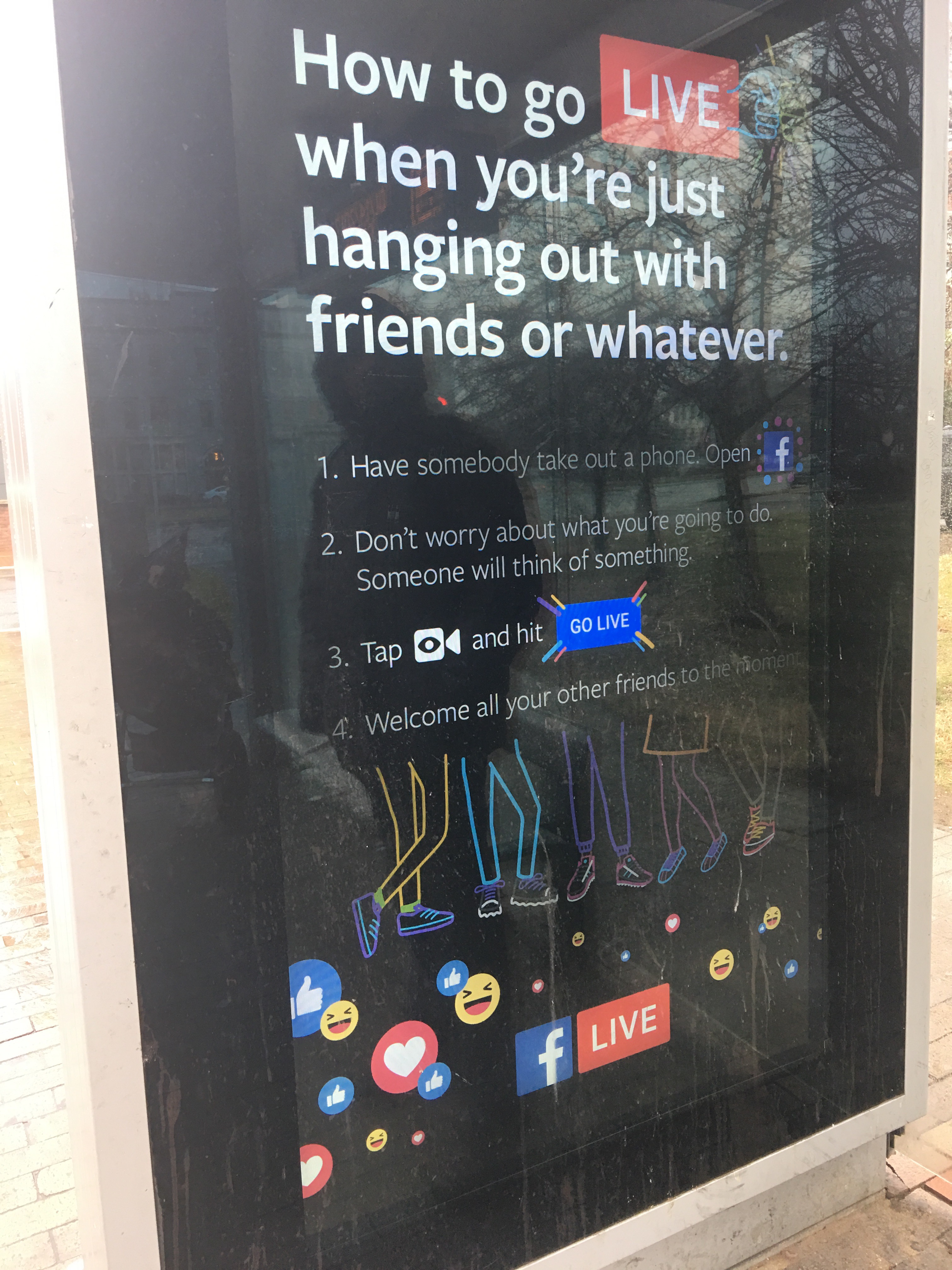
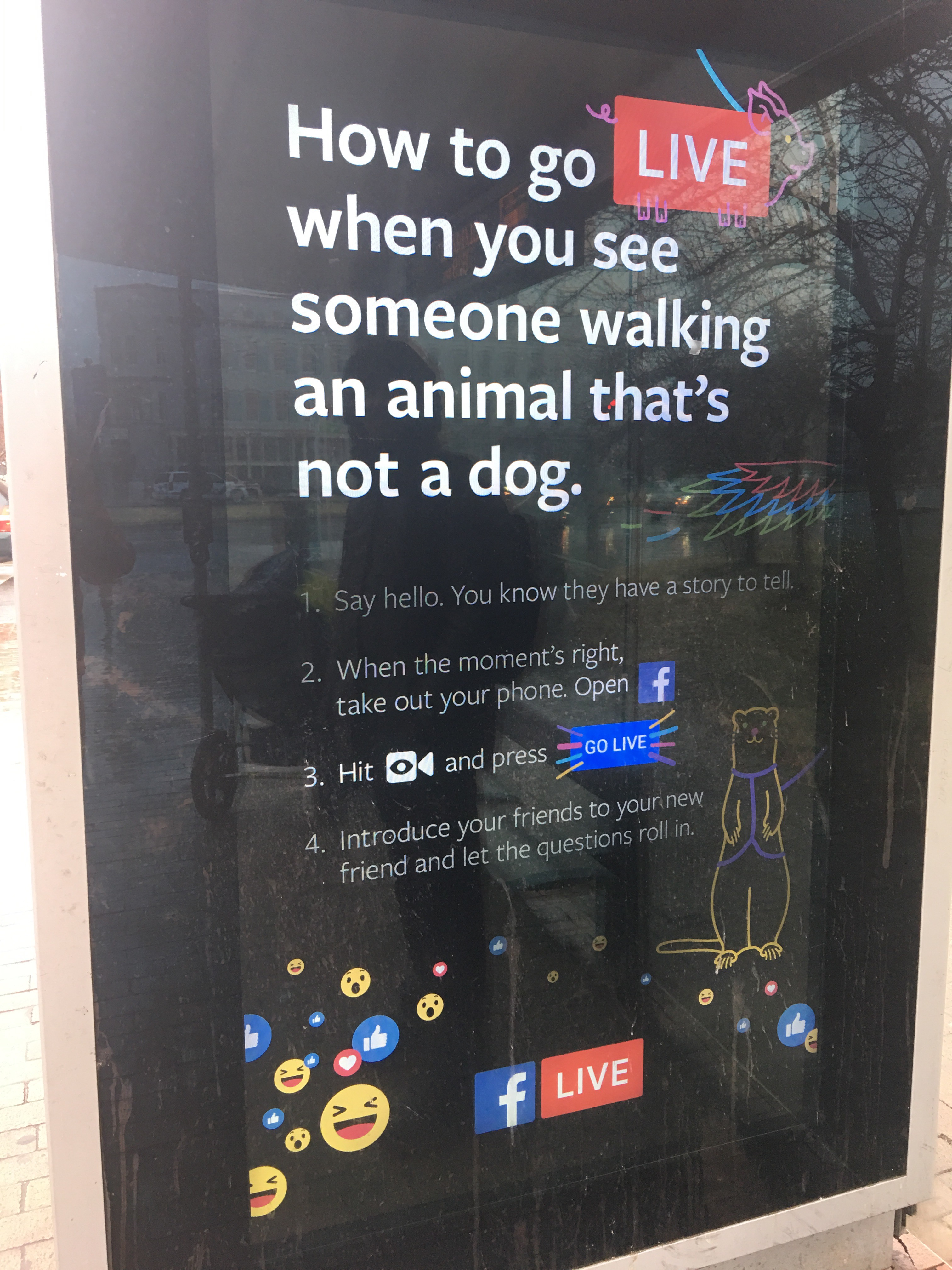
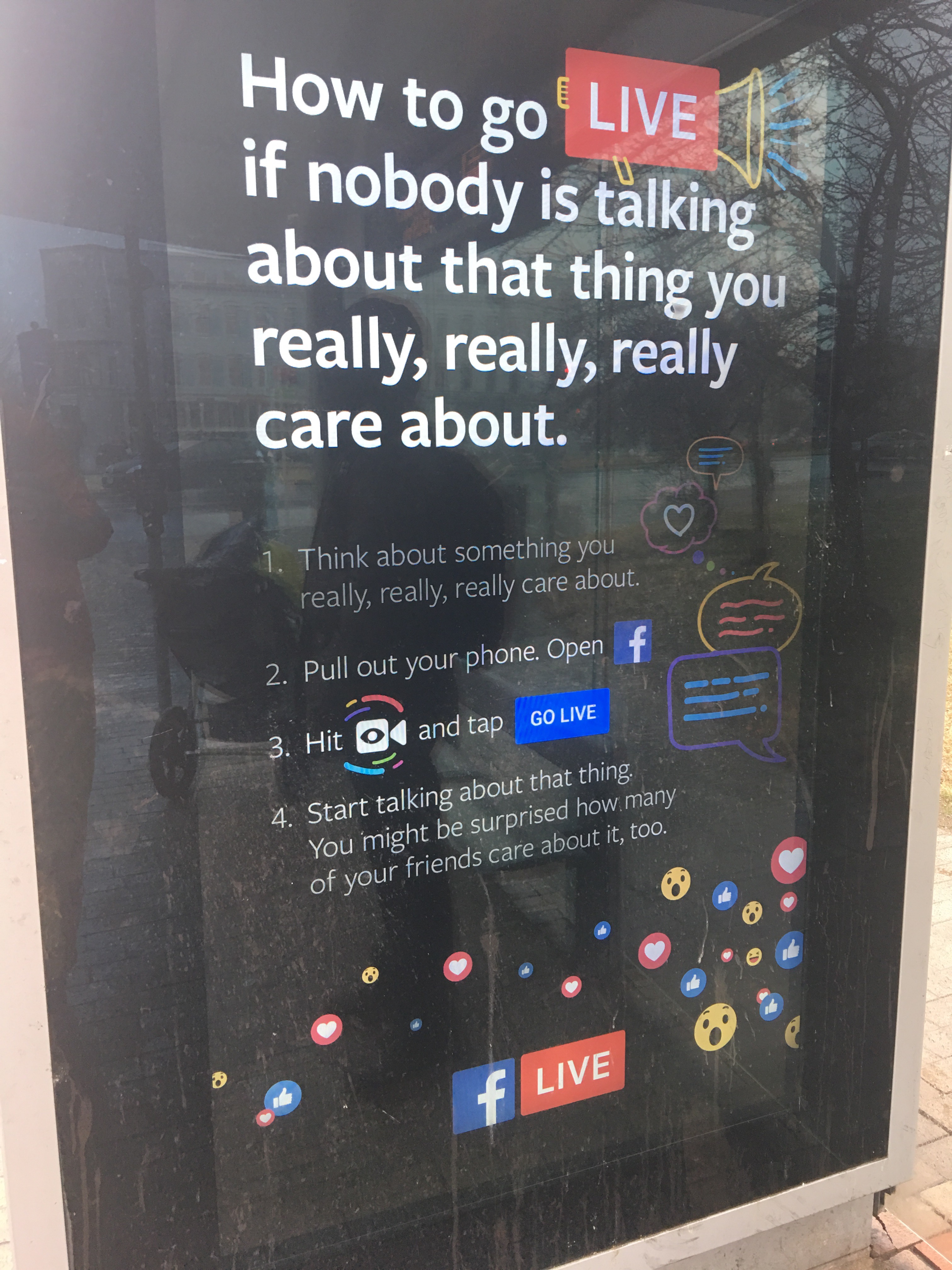
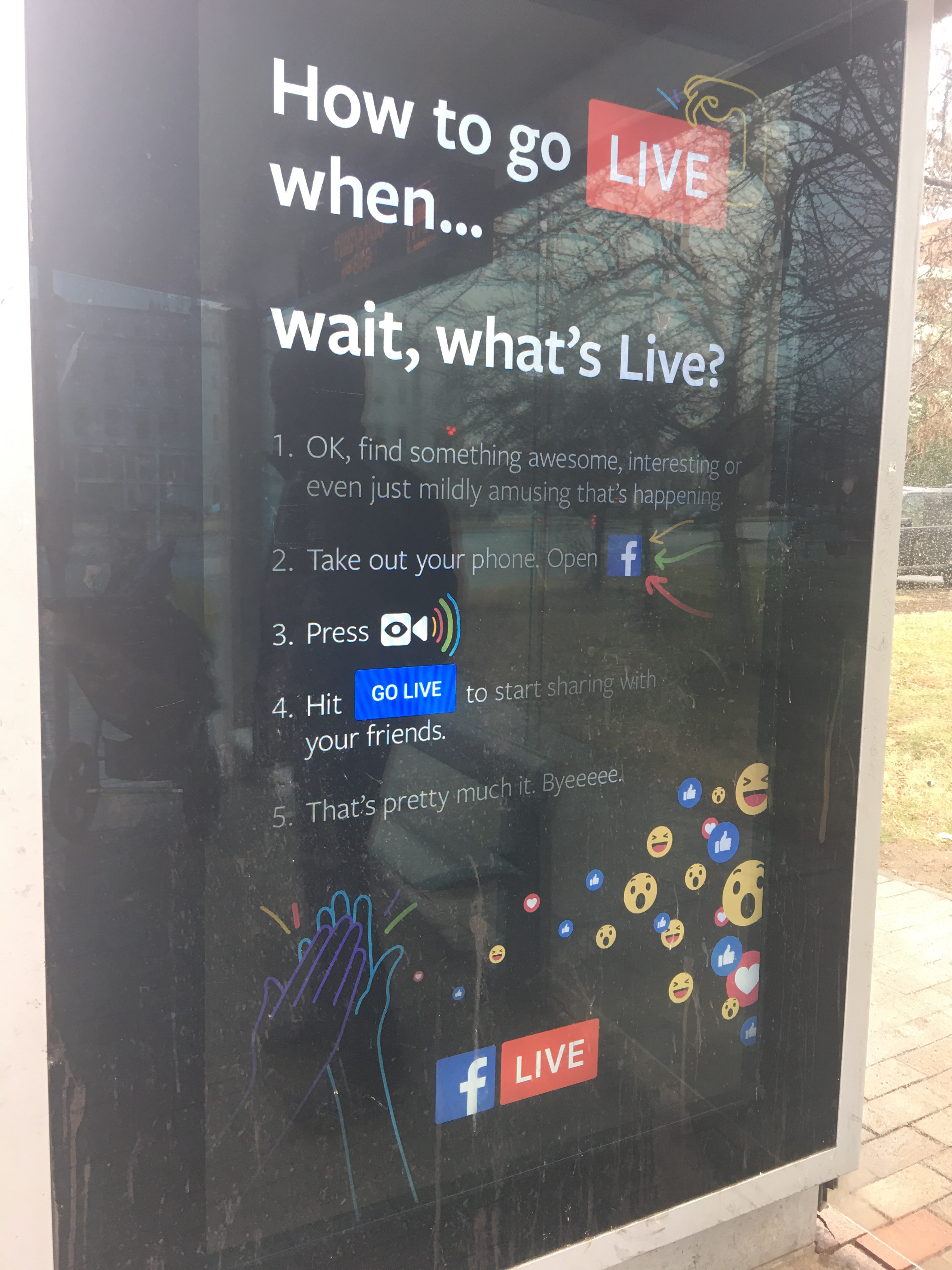
Facebook ad campaign urges users to film strangers with no ethics, privacy or security guidance

In this ad campaign for Facebook Live at DC bus stop, they’re urging users to film people with no caveats or ethics


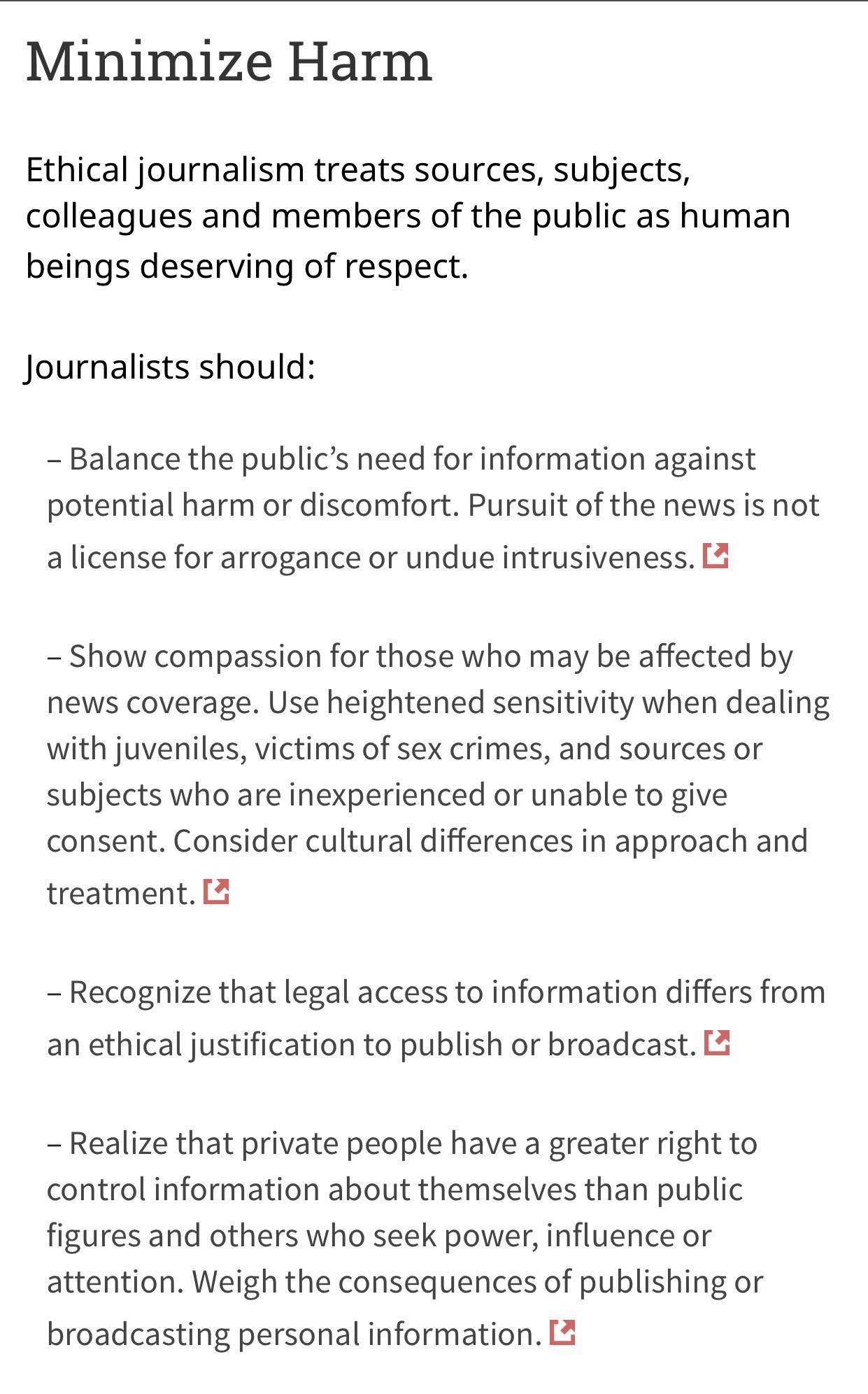
If Facebook is going to encourage its users to livestream strangers, it would be responsible to educate them about privacy, security and minimizing harm


Leave a comment

Filed under Uncategorized

On the Internet

The World Wide Web is a proper noun, as is the Internet.

Lowercasing Internet implies that more than 1 decentralized global network based on TCP/IP exists.

While it’s fair to say that there are networks of networks within other countries or within government agencies, the Internet is a distinct way of connecting servers and other devices together.

As long as we cannot point to multiple internets, there can be only one.

“The internets?” Nope. The AP is as wrong today as they were in April. :)

I know that it would be hard for the AP to walk this back, but I think it suggests a profound misunderstanding of what makes the Internet different, how it works or why.

Given the profound respect I have for the AP and its staff, I remained disappointed about the decision, along with what it will mean for thousands of journalists who take their lead (or lede) from their style guide.

3 Comments

Filed under blogging, journalism, technology

On Comments

August 23rd was the last day for comments at
As I
On the one hand, this decision frees NPR staff from moderation duties, lifting the weight of battling trolls to adjudicating disputes or enduring abuse and allowing community managers to focus on moderating social media discourse. On the other, if NPR and other public media houses back away from hosting the conversations and shift them to social media platforms, the data and relationships represented in those people move with them.
Getting online comments wrong is easy. Building a healthy online community is hard, but outlets like TechDirt and forums like MetaFilter show that it’s not only possible but sustainable. Good comments are valuable in their own right. At their best, they’re improvements upon the journalism they’re focused upon, but they require convening a community and investing in editorial moderation and tools. At their worst, online comment sections are some of the most toxic spaces online, not only turning off readers but causing damage to public understanding of science or technology.
Ideally, comment sections provide valuable forums for people to share their thoughts on the issues and decisions that affect them, but the technologies and strategy that create architectures of participation need to continue to improve. Given political polarization, the need for public spaces that reward meaning participation and foster civic dialogue instead of shouting matches is critical to our politics.
Communities across the country rely upon public media to report on local government and inform us about what’s being done in our name. Social media and smartphones offer new opportunities for journalists and editors to report with communities, not just on them.
Like Margaret Sullivan, I think

3 Comments

Filed under blogging, journalism, open source, social media, technology

To Be An American

I love visiting the U.S. National Archives. I’m humbled every time and honored to talk with David Ferriero, the Archivist of the United States, when there’s an opportunity.

In July, I reflected upon how the national creed preserved there belongs to all Americans.

To be an American is to know our history, from slavery to civil war, and honor the patriots who defeated fascism to extend equal justice to all.

To be an American is to know that our rights can never be taken for granted, nor can injustice to one be tolerated lest it be extended to all.

To be an American is to know we have always been a country of immigrants, of second chances, of parents sacrificing to give children their shot.

To be an American is to embrace self-government of, by and for the people, which requires requires more of us as citizens than a biennial vote.

To be an American means putting aside party for patriotism, whether we serve with those who put out fires, heal the sick, or mete out justice.

Our shared history also includes racism, rage & ignorance. Social fabric can be ripped and undone by demagogy. Civil rights suspended by fear.

I am proud to be an American because we have overcome fear and injustice in the past. I’m humbled to stand with all who protect and serve today.

Our times ask more of us than apathy. Be informed. Be engaged in a community. Be kind. Volunteer. Serve. And vote.

Leave a comment

Filed under article, blogging, personal

On Moderation

The First Amendment prohibits Congress from making laws abridging the freedom of speech and generally has been interpreted to apply to state and local governments. In my experience, it does not provide untrammeled rights for an individual to say anything, at any time, in any context. The First Amendment also does not apply to a community on Facebook which was created and maintained by a private individual.

There are many public spaces and contexts in America where moderation by judges, speakers, teachers and other community leaders leading discussions can and must make decisions about speech.

To put it another way, moderation is not the antithesis of open government.

Many parliamentary procedures are based upon Robert’s Rules of Order, which require whomever is leading the meeting to effectively serve as a moderator, wielding a mighty big gavel.

Courtrooms are moderated by a judge, who maintains order in the court. Town halls are conducted by mayors, councils and/or media, all of whom serve as moderators. Classrooms and libraries are moderated by teachers and librarians, who lay out rules for participation and use that enable all students and members of a community to have the opportunity to learn and participate.

In each context, there are rules and consequences. People in a courthouse may be held in contempt after sufficient outbursts. If someone keeps making off-topic comments at microphone at a town hall, for instance, a town councilor running a meeting might ask him or her to answer the question that was posed or to cede the space. Students who insult other students or the teacher, interrupt a class, answer questions with off-topic subjects or threaten others with violence are asked to leave a class — or even suspended or expelled.

In online forums, I think a team of moderators who rotate and adjudicate decisions based on a transparent set of rules would be appropriate. I generally think of the blogs and communities I maintain as classrooms and moderate accordingly.

As the creator and moderator of the Google Plus Open Government & Civic Technology community, I’ve been faced with decisions every week since I clicked it into life, including removing posts or, unfortunately, sometimes banning users. Spam has been an ongoing challenge. I’ve shared my own standards for communication moderation online, which inform how I handle comments on social media and blogs in general

It’s critical for online forum creators and moderators to be clear about the expectations for members of a community, from topical focus to frequency of postings to commercial content to behavior towards others, and to act transparently to address the concerns of those communities. It’s not easy, as we’ve seen on Wikipedia or Reddit or blog comments, but if we’re going to have any hope of fostering civic dialogue online, it’s critical that we all figure it out together, building better tools and models that neither amplify the loudest voices in the chat room nor chill voices speaking truth to power than need to be heard.

Leave a comment

Filed under government 2.0, journalism, social bookmarking, social media, technology

The White House Has Working WiFi!

12801605_866767204565_474458777501763275_n
In the nearly 7 years I’ve lived and worked in Washington, finding working wifi has been a constant battle around the District. Yesterday, I was astonished and elated to find a working, robust wireless network operating in the basement of the Eisenhower Executive Office Building at the White House.

This shouldn’t be that exciting in 2016, but it was, and remains so, particularly in the basement theater that’s a deadzone for cell phones. I’ve gotten online there in past years but rarely without difficulty or disruption.

//platform.twitter.com/widgets.js

Functional White House wifi enabled the people at the forum I attended to get online to share what they were experiencing, including participating in the online backchannel on Twitter and uploading selfies. This was the first time I’ve been asked to take a selfie with strangers at the White House. As precedents go, it’s not earthshaking, but it’s an interesting reflection of our wired moment.

//platform.twitter.com/widgets.js

It’s taken the Obama administration most of two terms to upgrade this aspect of White House’s IT infrastructure — when staff showed up in 2009, they found computers still running Windows 98 — but they’re leaving the place better than they found it.

My favorite public place to log onto a public wireless network, however, still remains the House Public network in “the People’s House” in the Rayburn Office Building.

Creative anti-#sopa activism in the wifi options in the hearing overflow room.

A photo posted by Alex Howard (@digiphile) on Nov 16, 2011 at 7:21am PST

//platform.instagram.com/en_US/embeds.js

Leave a comment

Filed under government 2.0, photography, social media, technology, Twitter

Twitter CEO Responds To Furor Over Character Limit With Screenshort

After hours of fierce debate over a report that Twitter was building a way to expand its famous character limit to 10,000 characters, Twitter co-founder and CEO Jack Dorsey responded by tweeting a picture of a statement, embedded below.

I ran the image through free online optical character recognition software to get the following text:

At its core Twitter is public messaging. A simple way to say something, to anyone, that everyone in the world can see instantly.

We didn’t start Twitter with a 140 character restriction. We added that early on to fit into a single SMS message (160 characters).

It’s become a beautiful constraint, and I love it! It inspires creativity and brevity. And a sense of speed. We will never lose that feeling.

We’ve spent a lot of time observing what people are doing on Twitter, and we see them taking screenshots of text and tweeting it.

Instead, what if that text…was actually text? Text that could be searched. Text that could be highlighted. That’s more utility and power.

What makes Twitter, Twitter is its fast, public, live conversational nature. We will always work to strengthen that. For every person around the world, in every language!

And by focusing on conversation and messaging, the majority of tweets will always be short and sweet and conversational!

We’re not going to be shy about building more utility and power into Twitter for people. As long as it’s consistent with what people want to do, we’re going to explore it.

And as I said at #flight, if we decide to ship what we explore, we’re telling developers well in advance, so they can prepare accordingly.
(Also: I love tweetstorms! Those won’t go away.)

Quick thoughts after reading this:

1) What are users with disabilities to make of this tweet by Twitter’s CEO? No <alt text> for a screen reader. No blog post. No text at all. Social media platforms should be accessible to everyone.

I don’t think this is a great look for Twitter, on this count, but maybe its developers might fix this issue for the website & apps.

2) Twitter’s cofounder used a screenshot of text, or “screenshort,” to get around the very 140 character limit that’s being discussed. There’s enough demand for this feature that ex-Twitter staff built an app just for that called One Shot.

3) Twitter deserves credit for watching what its users are doing on the platform to get around the character constraints.

“We’ve spent a lot of time observing what people are doing on Twitter, and we see them taking screenshots of text and tweeting it,” he said. “Instead, what if that text…was actually text? Text that could be searched. Text that could be highlighted. That’s more utility and power.”

You don’t need to imagine what that would look like: Google+ had no such character limit and amazing text search from the start. (Google’s effort had other issues, leading to a complete redesign and relaunch of Google Plus in November.)

Or consider Facebook, which announced universal search last October after years of development.

4) Can you recall Twitter ever effectively asking its users what we want?

Is Twitter adapting to perceived need or an implicit feature request? Enabling people to tweet more text in that could be searched would indeed be more powerful and useful.

Is that what users want, versus, say, an edit button?

Or is it better search of the billions and billions tweets sent over the last decade, now that Topsy is gone and the Library of Congress archive hangs in limbo?

Or the quality filter that only Verified users (like me) have?

//platform.twitter.com/widgets.js

Dorsey said that “as long as it’s consistent with what people want to do, we’re going to explore it.”

I read that as good news. Let’s see what happens next.

Leave a comment

Filed under Uncategorized